01
Democracy
What does higher education owe democracy, and what responsibilities must colleges and universities fulfill in the years ahead?


NEBHE · A New England Leadership Dialogue
Invitation-only Event
Examining the Truths We Hold to be Self-Evident
A New England Leadership Dialogue
Presented by:
New England Board of Higher Education (NEBHE)
In partnership with:
Lumina Foundation and the Teagle Foundation
Participation is by invitation. Registration is intended for invited higher education leaders and guests.
THURSDAY, DECEMBER 3, 2026
5–8:30 p.m.
Reception, dinner, and dialogue
FRIDAY, DECEMBER 4, 2026
8 a.m.–5 p.m.
Full-day leadership program
HARVARD UNIVERSITY · BOSTON
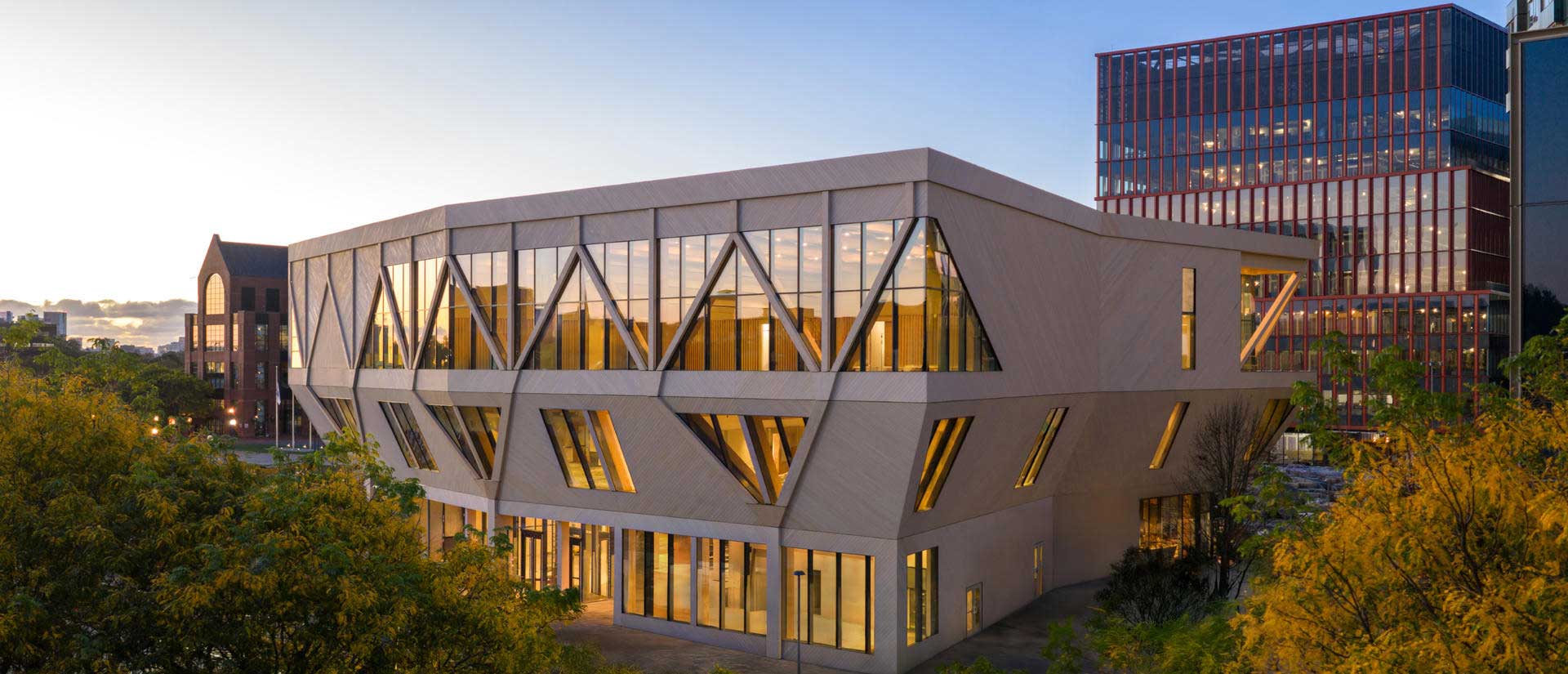
David Rubenstein Treehouse
20 Western Avenue, Boston, MA 02134
THE OCCASION
As the nation commemorates its 250th anniversary, this invitation-only gathering will provide an important opportunity for New England’s senior higher education leaders and partners to reflect on higher education’s role in advancing democracy, knowledge, economic opportunity, and the public good—even as such truths are being questioned.
The Dialogue offers a timely occasion for celebration, reflection, recommitment, and strategic action. Participants will consider what higher education must learn from the present and the past and identify opportunities for continued institutional and regional leadership.
WHO WILL BE ATTENDING
The Dialogue will bring together presidents, chancellors, provosts, and chief academic officers from colleges and universities across New England, along with invited members of institutional boards of trustees.
Together, these leaders will contribute perspectives from across the region to a candid conversation about higher education’s role in shaping New England and the nation’s future.
The Dialogue offers a timely occasion for celebration, reflection, recommitment, and strategic action. Participants will consider what higher education must learn from the present and the past and identify opportunities for continued institutional and regional leadership.
Interested in attending or have questions? Contact Jackie Yun, at events@nebhe.org
Keynote Address:
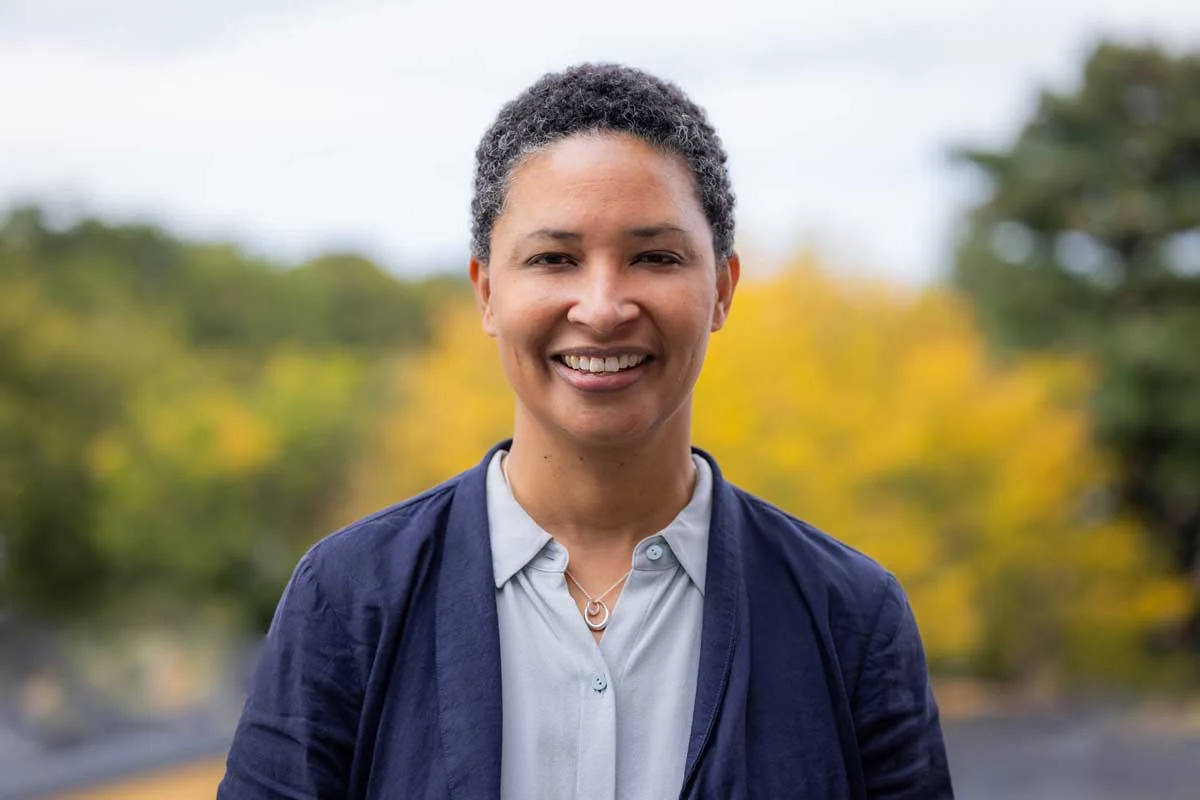
James Bryant Conant University Professor, Harvard University
The belief in higher education’s centrality to democracy’s strength and longevity is longstanding. Yet, as democracy is increasingly strained by polarization, complexity, technology, and uncertainty, what roles must higher education play in its renovation and renewal?
Moreover, how can higher education strengthen democratic institutions and structures, support democracy’s adaptability, strengthen digital civic infrastructure, promote lifelong civic learning, and renew collective commitment to citizenship and American constitutional democracy?
Danielle Allen is the James Bryant Conant University Professor at Harvard University, where she directs the Allen Lab for Democracy Renovation at the Harvard Kennedy School and the Democratic Knowledge Project at the Harvard Graduate School of Education. A political philosopher and democracy advocate, she works on civic education, constitutional democracy, and the renovation of democratic institutions, including the question of how colleges and universities serve the public good.
She serves on the Massachusetts Board of Higher Education, is a MacArthur Fellow, and chaired the American Academy of Arts and Sciences Commission on the Practice of Democratic Citizenship, which produced the report Our Common Purpose. Her books include Our Declaration, Cuz, Justice by Means of Democracy, and most recently Radical Duke: How One Aristocrat and the American Revolution Transformed Britain.
PROGRAM AT A GLANCE
A reception and dinner open the conversation on Thursday. Friday brings a full day of dialogue on democracy, civic education, economic mobility, and higher education’s future.
DAY ONE
5–8:30 p.m.
The Leadership Dialogue begins with event check-in, a reception, dinner, a keynote program, and an evening conversation.
Even in times of turbulence and change, universities are perceived as bastions of stability and permanence. With liberal democracy in retreat globally, colleges and universities must re-envision and fulfill their indispensable roles in preserving modern democracies. What essential functions must American higher education perform in a liberal democracy, and how must institutions contribute to social mobility, citizenship education, the stewardship of facts, and flourishing pluralistic communities?
American higher education stands at a complex crossroads. Public confidence in its value has declined, its role as an enabler of the American dream is questioned, and the democratic foundations it was believed to protect are in jeopardy. What can Americans’ beliefs and perceptions teach us, and how can higher education regain confidence, reaffirm its relevance, and fulfill its essential roles?
DAY TWO
8 a.m.–5 p.m.
Higher education’s centrality to democracy’s strength and longevity is longstanding. Yet democracy is increasingly strained by polarization, complexity, technology, and uncertainty. What roles must higher education play in democratic renovation and renewal, and how can it strengthen institutions, civic infrastructure, lifelong civic learning, and commitment to constitutional democracy?
Higher education has invested deeply in civic education, democratic values, and enlightened citizenship. How should institutions interpret rising illiberal tendencies, political polarization, weakened norms, and threats to democracy? What must change in the future pursuit of these essential educational outcomes?
Higher education has an implicit contract to prepare students for participation in a changing world of work. Amid rising costs, questions about return on investment, and changing expectations, how can institutions better deliver on the promise of employment, professional advancement, economic mobility, and the American dream?
Technology, personalized media, pandemic isolation, extreme rhetoric, and political polarization shape students’ beliefs, experiences, and ability to relate across difference. How can higher education help students engage constructively, sustain dialogue, navigate conflict, respect individual dignity, and see democracy as a vehicle for mutual gain and progress?
Technology, media, commerce, and opinion move at extraordinary speed, fragmenting experience and profiting from misinformation and division. Can higher education equip students with the media, information, and technology literacies—and the intellectual habits and cognitive agility—required for citizenship and a functioning democracy?
Calls for higher education reform are coming from multiple directions. With the future of higher education and democracy at stake, when and how must institutions embrace reform while protecting core values and mission-based foundations? Can higher education concurrently embrace resistance, reform, innovation, and renewal?
THE VOICES IN THE ROOM
Speaker announcements and biographies will be added as details are confirmed.
FORTHCOMING
Return here for the latest speaker and program updates.
Interested in attending or have questions? Contact Jackie Yun, at events@nebhe.org
OUR CONVENER
Six states.
A shared commitment.
Since 1955.
Higher education is New England’s most critical sustainable resource. The region’s governors knew that in 1955 when they founded the New England Board of Higher Education (NEBHE). Today, NEBHE promotes greater education opportunities for the residents of New England. It works across the six New England states to help leaders assess, develop and implement sound education practices and policies of regional significance; to promote regional cooperation and programs that encourage the efficient use and sharing of educational resources; and to strengthen the relationship between higher education and the economic well-being and quality of life in New England.
DATES: DECEMBER 3–4, 2026
LOCATION: HARVARD UNIVERSITY
Invitation-only Event · A New England Leadership Dialogue
Presented by New England Board of Higher Education
Interested in attending or have questions? Contact Jackie Yun, at events@nebhe.org